
Vulnerabilities
Detect File Upload Vulnerabilities: Log Signals and Blind Spots
Malicious uploads often bypass initial checks by hiding in metadata or exploiting race conditions, leaving traces in access logs rather than alert systems.
Malicious uploads often bypass initial checks by hiding in metadata or exploiting race conditions, leaving traces in access logs rather than alert systems.

The most dangerous deepfake attacks contain no visual glitches, relying instead on manipulated audio and urgent context to bypass your natural defences.

Poorly written YARA rules generate noise that masks true threats, turning your detection engine into a liability rather than a shield.

An SBOM exposes hidden supply chain risks by listing every component in your software, revealing vulnerabilities that traditional scanning misses.

Many small teams assume document databases are immune to SQL-style attacks, yet the flexible query syntax often bypasses standard input validation entirely.

Isolating the egress point matters more than wiping the data source, as hidden persistence mechanisms often survive standard cleanup procedures.

The framework maps adversary behaviour, not tools, so mapping techniques to specific software creates blind spots during incident response and detection engineering.

Browser extensions operate with elevated privileges that bypass standard website isolation, allowing them to read unencrypted data before it leaves your device.

Automated scans miss logic errors that only human reasoning can detect, meaning you need a different approach for certain critical flaws.

Static procedures fail because they ignore the chaotic reality of live attacks, turning responders into bottlenecked clerks rather than decisive operators.

Most backup failures stem from identity misconfigurations that allow attackers to delete copies before you notice the intrusion.

Static indicators expire within hours, forcing defenders to track behavioural patterns and infrastructure reuse to maintain visibility.

Treating data subject rights as a customer service request rather than a legal obligation creates hidden technical debt and compliance gaps in your infrastructure.

Managing your own encryption keys gives you legal proof of data control, but it creates a single point of failure that can halt operations if access is lost.

Most cloud security failures stem from misconfigured permissions rather than broken code, making scope definition the single most critical step in any engagement.

Scanning only the final image layer misses vulnerabilities hidden in intermediate build steps, leaving your infrastructure exposed to supply chain attacks that persist through deployment.

Silent background updates often fail on locked-down networks, leaving users exposed to known exploits for days before the next manual check.

Regular password changes often degrade security by encouraging users to select weaker credentials and create predictable patterns that attackers can exploit.

DCSync abuses standard replication protocols to extract credential hashes, bypassing file system access and traditional endpoint protections entirely.

Disabling network access to remote desktop removes the primary attack surface, yet many administrators leave this port open due to legacy maintenance habits that create persistent liability.

The payload is the destructive code that remains after the delivery mechanism fails, often hiding in plain sight within legitimate system processes.
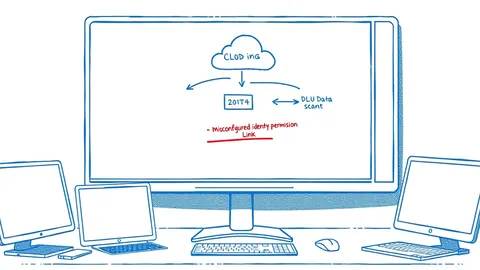
Standard scanning fails against cloud configurations, requiring manual verification of identity permissions and data flow paths to find true exposure.

Email authentication alone fails against social engineering, so you must enforce out-of-band verification for any request involving money or sensitive data.

Encryption protects stored data but fails if you ignore key management, leaving your systems vulnerable to sophisticated extraction techniques.