
Cloud Security
Microsegmentation for Small Teams: Contain Breaches Fast
Microsegmentation restricts lateral movement by enforcing strict rules between workloads, limiting damage even when perimeter defences fail.
Cloud Security coverage from RedTeam Log holds 20 articles, 18 of them reference guides. The newest was published on October 14, 2026. New stories are added as soon as they are confirmed, from more than 150 sources checked as often as every 45 seconds. Each story lists its sources. Primary sources we follow for this section include Cloud Security Alliance and CIS Benchmarks.
Microsegmentation restricts lateral movement by enforcing strict rules between workloads, limiting damage even when perimeter defences fail.
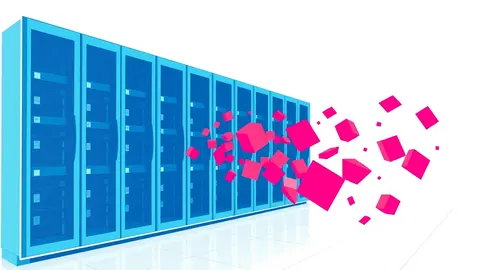
Guardrails prevent configuration drift by enforcing constraints at the infrastructure level, stopping errors before they reach production environments.

Confidential computing encrypts data during processing, not just at rest or in transit, closing the final gap where memory exposes sensitive information to the infrastructure owner.

Resilience planning forces you to accept that infrastructure will fail and designs systems that degrade gracefully rather than collapsing entirely.

Single sign on centralises credentials within one domain, whereas federated identity delegates trust to external providers, reducing local password management overhead.

Microsoft is replacing individual 1TB allowances with a pooled 2TB cap for family accounts, effective from renewals after May 2027.

Oracle’s new runtime lets AI agents execute business tasks with strict controls, though analysts warn of early-stage risks and vendor lock-in.

Cloud encryption scrambles data using mathematical algorithms, ensuring that only authorised parties with the correct cryptographic keys can read the information.

Virtual private cloud hosting provides network segmentation, but misconfigured access controls expose your data to the entire public internet regardless of the virtual boundary.

Identity sprawl hides in forgotten service accounts and orphaned roles, creating silent backdoors that bypass perimeter defences and persist long after staff leave.

Small teams face disproportionate risk from cloud APIs because default configurations often grant excessive permissions that attackers exploit automatically.

Excessive permissions on automated services create persistent backdoors that survive infrastructure changes and evade standard access reviews.
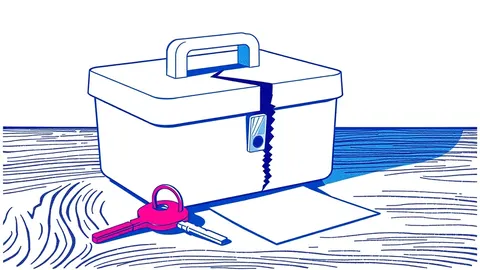
Most backup failures stem from identity misconfigurations that allow attackers to delete copies before you notice the intrusion.

Managing your own encryption keys gives you legal proof of data control, but it creates a single point of failure that can halt operations if access is lost.

Most cloud security failures stem from misconfigured permissions rather than broken code, making scope definition the single most critical step in any engagement.

Scanning only the final image layer misses vulnerabilities hidden in intermediate build steps, leaving your infrastructure exposed to supply chain attacks that persist through deployment.
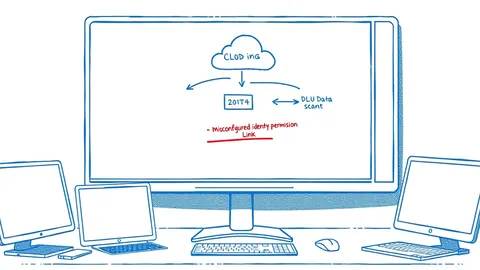
Standard scanning fails against cloud configurations, requiring manual verification of identity permissions and data flow paths to find true exposure.

Treating infrastructure as disposable code prevents drift, but it fails if you persist state incorrectly or trust the build process blindly.

Cloud firewalls filter traffic at the network edge but cannot inspect encrypted payloads or stop attacks that originate from inside your authorised environment.

Centralised logs provide visibility but create a single point of failure that attackers target to erase evidence of their presence.