
Cyber Attacks
Video conferencing phishing invitations and how they bypass trust
Calendar invitations sent through legitimate video platforms bypass email filters because they originate from trusted infrastructure providers.
The RedTeam Log Knowledge Desk is the part of the RedTeam Log newsroom that covers reference guides that explain the ideas behind the headlines. It is a newsroom desk, not a single person. Sections: Guides. Guides are drafted with AI assistance, carry no invented statistics and are reviewed when the facts change. It has published 114 articles so far. See the editorial policy or report an error.
Calendar invitations sent through legitimate video platforms bypass email filters because they originate from trusted infrastructure providers.

Dark web search engines index hidden sites by crawling onion links, but missing encryption keys leave most content invisible.

Cyber ranges isolate network traffic to prevent collateral damage, but they cannot simulate the organisational friction that slows real incident response.

CRLF injection bypasses standard input validation by manipulating HTTP headers, allowing attackers to inject scripts before your browser even renders the page content.

Fixing vulnerabilities by deadline alone wastes resources on low-risk issues while leaving critical systems exposed to active exploitation.

A single misconfigured redirect URI in an OAuth flow can expose every user session to theft without triggering standard intrusion alerts.

Default service configurations expose more attack surface than unpatched software because attackers exploit enabled features rather than broken code.

Silent memory corruption often bypasses standard scanning, making manual code review and strict bounds checking the only reliable defence against out-of-bounds write exploits.
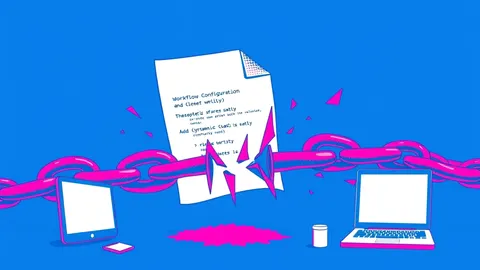
Workflow injection exploits dynamic context parsing to execute arbitrary code, bypassing static security controls and standard input validation checks within your CI/CD pipeline.

The CISA Known Exploited Vulnerabilities Catalog mandates remediation within 120 days of publication, not discovery, creating a fixed window for all organisations.
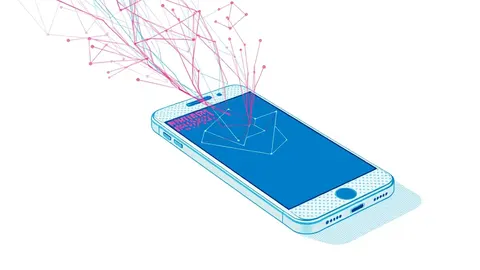
Zero-click exploits compromise devices without user interaction by exploiting software flaws that execute code before the operating system can verify input safety.

Rebooting an infected router often fails to remove persistent firmware-level threats that survive standard resets and require full replacement.

Most organisations fail not because they miss vulnerabilities, but because they lose track of fixes, allowing known risks to persist indefinitely.

Industry-specific intelligence sharing relies on strict data sanitisation processes to prevent leaking customer details while enabling rapid threat correlation across sector peers.

Attackers use voice calls to bypass email security controls, forcing victims to validate their identity through a trusted communication channel.

Unstructured logs rot in storage, turning potential forensic gold into useless data that cannot be queried during an active intrusion investigation.

Detection use cases fail when treated as static signatures rather than dynamic hypotheses about adversary behaviour within your specific environment.

Physical loss often triggers digital compromise hours before remote wipe commands execute, making early behavioural anomalies the only viable detection window.

Microsegmentation restricts lateral movement by enforcing strict rules between workloads, limiting damage even when perimeter defences fail.

Manual account creation creates invisible permission gaps that automated identity systems close by linking access to real-time employment status.

Most organisations fail because they test recovery speed, not data integrity, leaving silent corruption undetected until it is too late to restore.

Isolating the network segment before attempting removal prevents lateral movement and preserves forensic evidence for later analysis.

SPF validates the sending server’s identity, not the sender’s human identity, allowing attackers to spoof display names while passing technical checks.
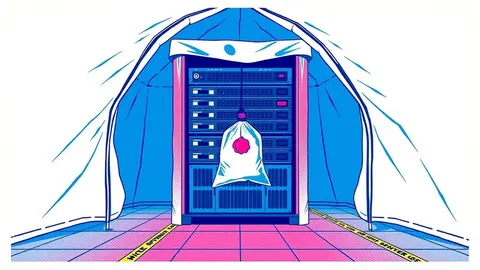
Recovery plans often fail because they treat decryption as a technical fix rather than a forensic process that requires verified clean states.