
Cloud Security
Microsegmentation for Small Teams: Contain Breaches Fast
Microsegmentation restricts lateral movement by enforcing strict rules between workloads, limiting damage even when perimeter defences fail.
Everything RedTeam Log has reported about cloud security: 12 stories, newest first. Part of our Cloud Security coverage.
Microsegmentation restricts lateral movement by enforcing strict rules between workloads, limiting damage even when perimeter defences fail.

Guardrails prevent configuration drift by enforcing constraints at the infrastructure level, stopping errors before they reach production environments.

Confidential computing encrypts data during processing, not just at rest or in transit, closing the final gap where memory exposes sensitive information to the infrastructure owner.

Resilience planning forces you to accept that infrastructure will fail and designs systems that degrade gracefully rather than collapsing entirely.

Single sign on centralises credentials within one domain, whereas federated identity delegates trust to external providers, reducing local password management overhead.

Identity sprawl hides in forgotten service accounts and orphaned roles, creating silent backdoors that bypass perimeter defences and persist long after staff leave.

Small teams face disproportionate risk from cloud APIs because default configurations often grant excessive permissions that attackers exploit automatically.

Excessive permissions on automated services create persistent backdoors that survive infrastructure changes and evade standard access reviews.

Most cloud security failures stem from misconfigured permissions rather than broken code, making scope definition the single most critical step in any engagement.
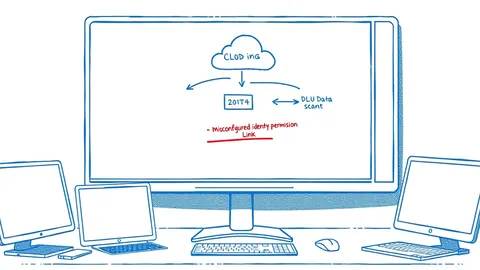
Standard scanning fails against cloud configurations, requiring manual verification of identity permissions and data flow paths to find true exposure.

Treating infrastructure as disposable code prevents drift, but it fails if you persist state incorrectly or trust the build process blindly.

Centralised logs provide visibility but create a single point of failure that attackers target to erase evidence of their presence.