
Threat Intelligence
Cyber Range Training Myths: What Platforms Actually Do
Cyber ranges isolate network traffic to prevent collateral damage, but they cannot simulate the organisational friction that slows real incident response.
Everything RedTeam Log has reported about incident response: 14 stories, newest first. Part of our Threat Intelligence coverage.
Cyber ranges isolate network traffic to prevent collateral damage, but they cannot simulate the organisational friction that slows real incident response.

Rebooting an infected router often fails to remove persistent firmware-level threats that survive standard resets and require full replacement.
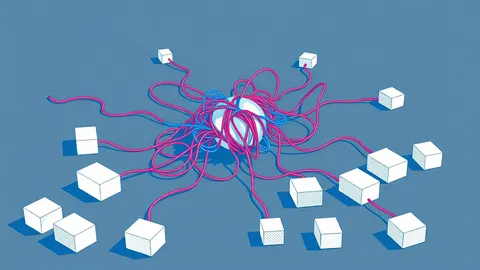
Automation platforms often increase operational costs initially by requiring meticulous logic design before they reduce manual analyst workload.

Emergency patching often fails because organisations treat speed as the only metric, ignoring the structural risks of bypassing standard validation and rollback procedures.

Most log data never reaches analysis because silent filtering at the source discards context before transport begins

Immediate isolation of compromised systems prevents lateral movement, preserving evidence for forensic analysis and limiting the scope of the breach.

Network beaconing often persists after initial cleanup because attackers embed timing logic in legitimate system processes rather than obvious malware files.
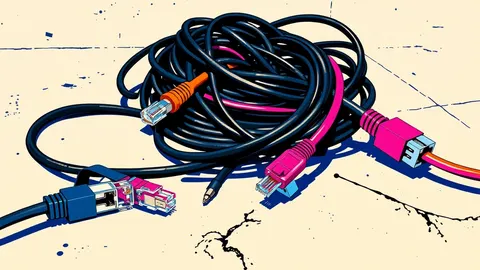
Effective containment relies on isolating network segments rather than shutting down systems, preserving forensic evidence while stopping lateral movement.

Your communication plan fails if it lacks pre-approved message templates and clear decision rights for legal and technical teams before the crisis hits.
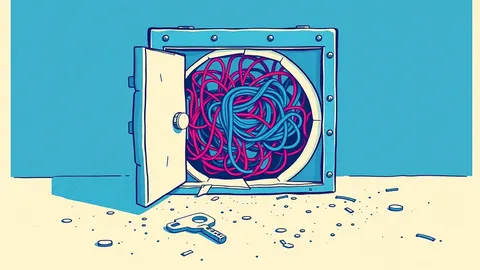
Most decryption tools do not reverse the encryption math but exploit implementation errors or leverage offline key recovery to restore access without paying.

Isolating the egress point matters more than wiping the data source, as hidden persistence mechanisms often survive standard cleanup procedures.

Static procedures fail because they ignore the chaotic reality of live attacks, turning responders into bottlenecked clerks rather than decisive operators.

Isolating the compromised account before preserving evidence often destroys the forensic trail needed to prove how the attacker entered your network.

Most plans fail not because of missing steps, but because they assume perfect communication during a crisis when systems are actively failing.